
- Info Leaflet 1: 11/7/97
Uttarakhand recently achieved statehood as Uttaranchal from India's most populated state, Uttar Pradesh. Geographically, ecologically, and culturally distinct, the region was nevertheless a part of UP since independence. The highest peaks in India are found here, as are most of Hinduism's holiest sites including the source of the Ganges River. Its forest wealth is prized, a fact that has led to its extensive exploitation as an internal colony of India. In August 2000, the Indian Parliament finally gave long withheld assent to statehood for Uttarakhand. The new state of Uttaranchal (the BJP's name choice for the state) will face many difficulties and hurdles on its path towards human fulfillment, economic development, and ecological sustainability. The political leadership will be hard pressed to shed their hapless and venal image and regain the faith of the people. However, through the experience of the movements of the past, the Uttarakhandi people and especially its womenfolk will remain vigilant and continue the struggle for the social and economic transformation of the hills.
What is Uttarakhand?
Although Uttarakhand's natural beauty is well known to seasoned travelers, the hill people have remained amongst the poorest in the nation. In recent years, due to worsening environmental and economic conditions, many hill folk not already employed as soldiers in decorated regiments of the Indian army, have had to migrate to the plains in search of work.
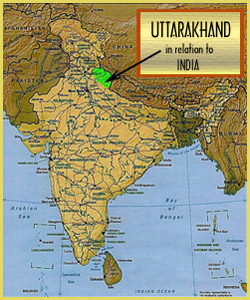
Bordering on Tibet, Nepal, and Himachal Pradesh, Uttarakhand remains the only hill region without some form of autonomy.
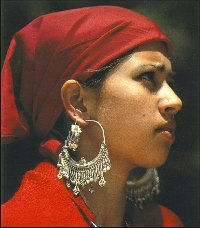
The tough hill women have been at the forefront of the movement.The desperate conditions of Garhwalis, Kumaonis, and Bhotiyas, as they are known amongst themselves, has been declining since the frontier with Tibet was closed in 1962. The hill people however have reacted to the deterioration in their livelihoods with a host of social movements that have bolstered their resolve. Indeed, the region has had a long tradition of such activism, from opposing feudalism and colonialism, to fighting for their forest rights. Chipko and the modern Third World environmental movement was born in these hills. Uttarakhandis likewise embraced prohibition, reforestation, anti-dam, anti-corruption, and appropriate technology causes in their bid to improve their lives and save the Himalayas.
From 1994 to 2000, much of the energy of the hill people found expression in agitation for a separate state within the Indian Union. Frustrated with the bureaucratic indifference of successive state and central governments, the Uttarakhandis pinned their hopes on self-determination. With a state of their own, activists believed that they could manage their resources better and work for true human development in the hills. Most of all, they wanted the right to determine their own future, free of outside domination and exploitation that have wrecked the Himalayan ecosystem and impoverished the native population.
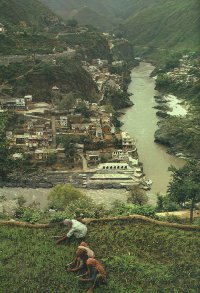
Workers overlooking Deoprayag:
The contradiction of natural beauty
and human misery
What is the Uttarakhand Support Committee?
The Uttarakhand Support Committee has existed since the actor Victor Banerjee (Passage to India), drew attention to the plight of the Himalayan people at a 1995 international minority rights conference in Toronto, Canada. In subsequent years, it functioned as a non-partisan network of concerned people in North America who wished to support the progressive and democratic forces in Uttarakhand, as they continued the struggle for rights and the future of the Himalayas.
What can we do to help?
The Uttarakhand Support Committee was most active between the years 1997 and 2001. Since 2001, its key members have engaged in presenting a progressive and democratic voice in discussions about Uttarakhand's future in the expatriate communities living in North America as well as lending support to activists in the new state.
For those continuing the struggle for a new dawn in Uttarakhand, You may also start by writing the representatives of the Indian government to press them on any number of human rights or environmental issues. You can also get active in Uttarakhand's many movements and processes for social change, including returning resources and land to the people, protecting civil liberties, holding politicians accountable, or working towards true participatory democracy at the grassroots level.
Uttarakhand Support Committee
[email protected]
- Photos courtesy Ganesh Saili from his 1996 Lustre Press book, Himalaya
